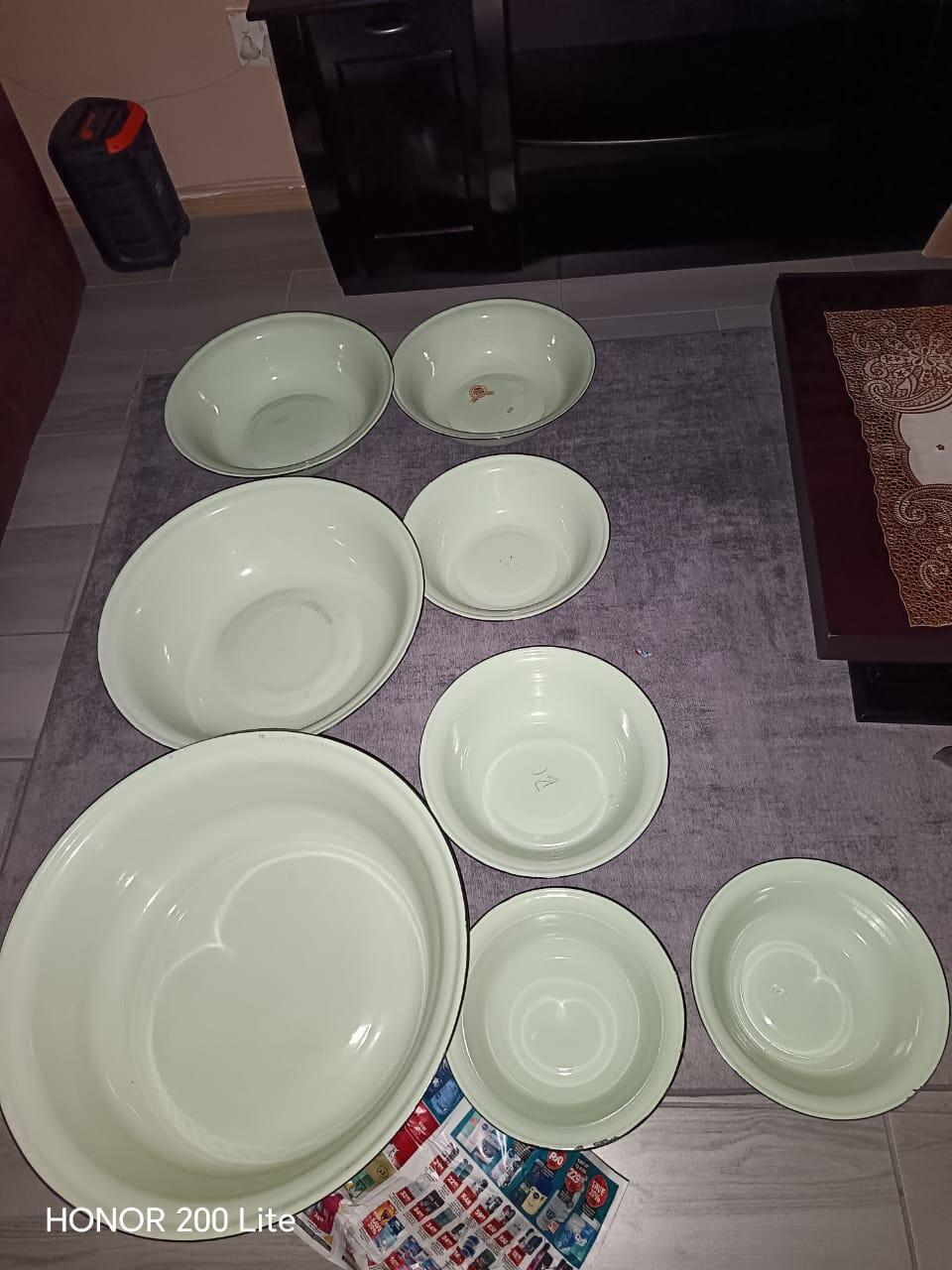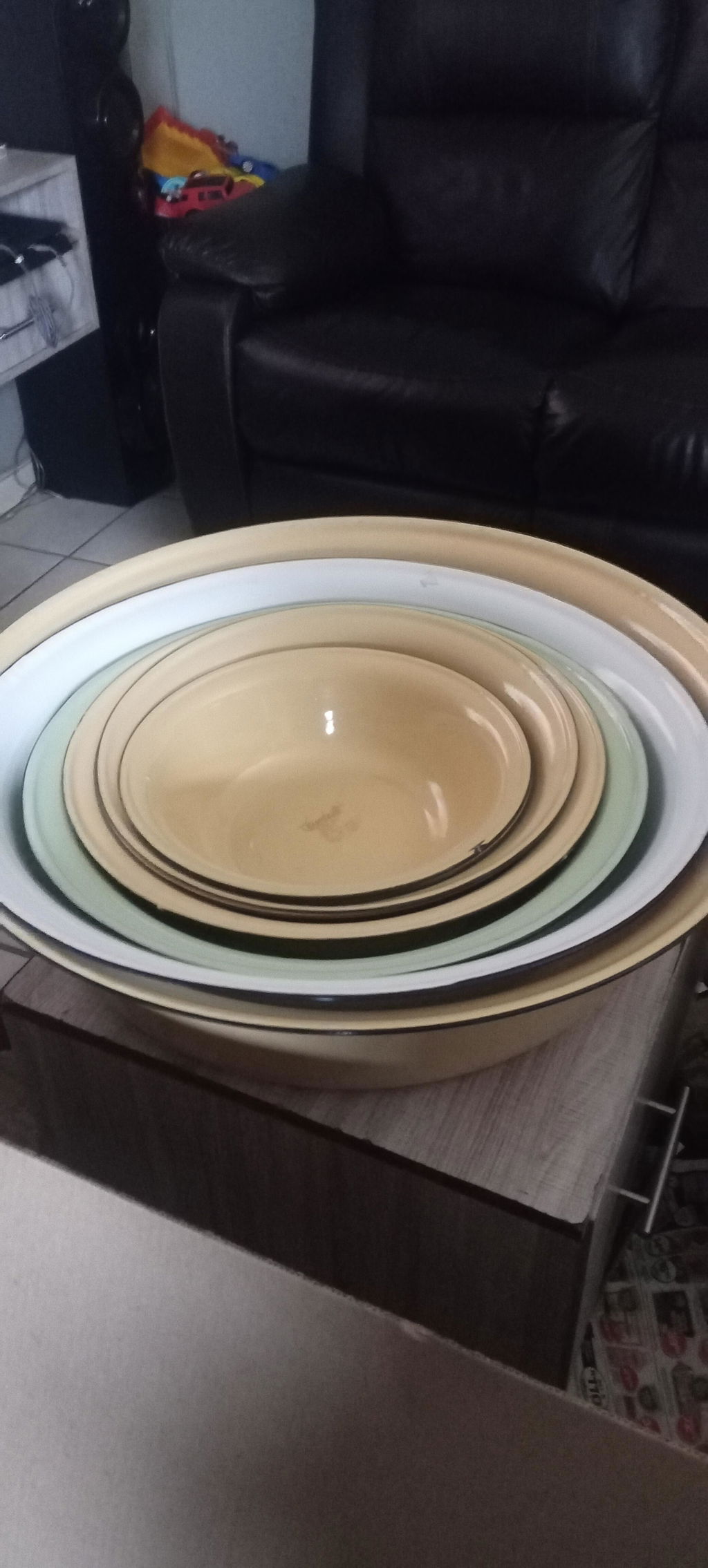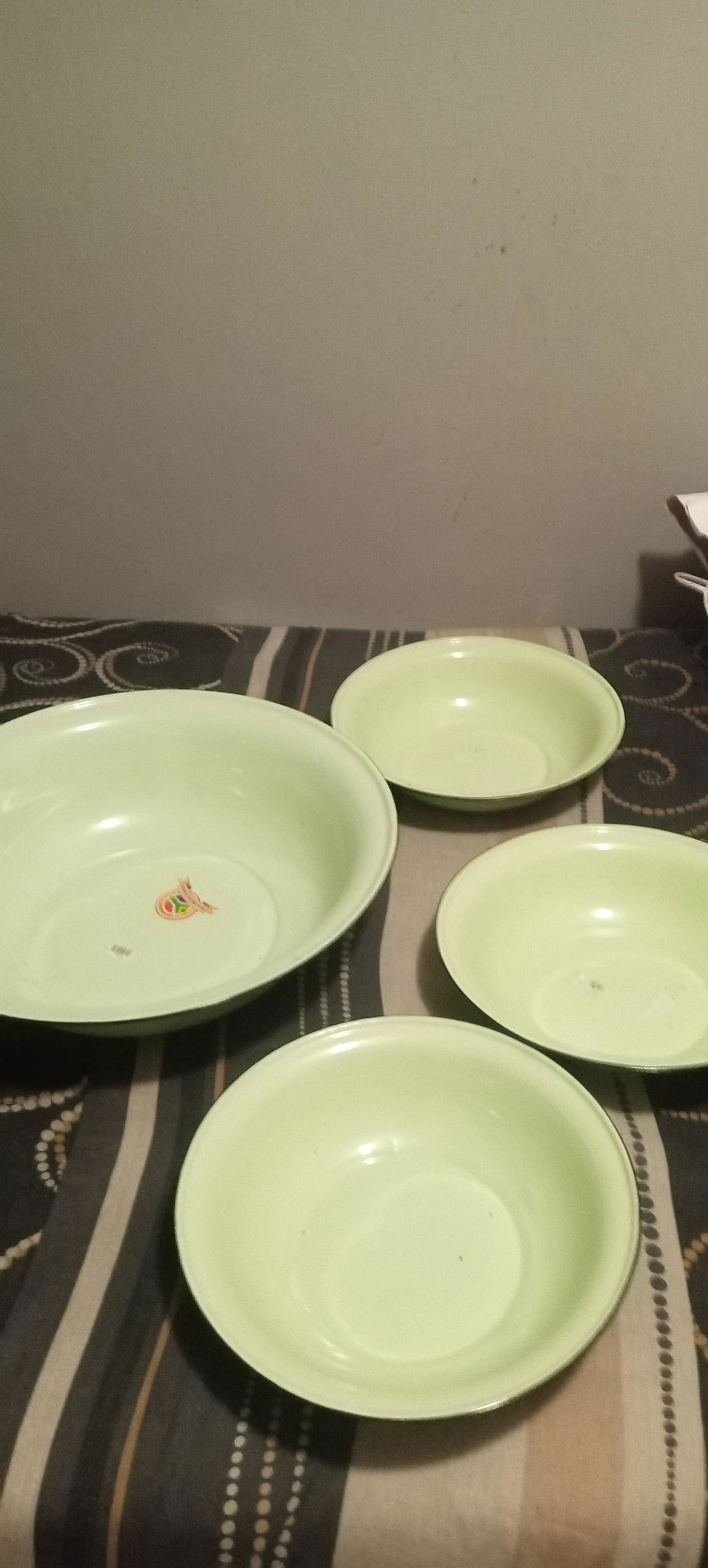

Enamel vs Stainless Steel Tableware — Which One for the South African Kitchen?
Enamel vs Stainless Steel Tableware — Which Wins for the SA Kitchen?
Side-by-Side
| Factor | Vitreous enamel (on steel) | Stainless Steel |
|---|---|---|
| Heat-tolerant for hot food | ✅ Up to ~250°C | ✅ Higher (~600°C+) |
| Won't react with acid food (tomato, vinegar) | ✅ Glass surface | ✅ SS is non-reactive |
| Chip risk on drop | ⚠️ Yes (visible chips) | ✅ Dents, doesn't chip |
| Looks like home (vs canteen) | ✅ Classic SA aesthetic | ⚠️ Industrial look |
| Dishwasher safe | ✅ Yes | ✅ Yes |
| Lifespan with normal use | 10–20 years (chip retires plate) | 30+ years |
| Weight (dinner plate) | ~280 g | ~250 g |
| Price (single dinner plate) | ~R12–R30 | ~R20–R60 |
| Microwave-safe | ❌ No (steel core) | ❌ No (metal) |
When Enamel Wins
- Camping / outdoor: Light, stack-able, won't shatter on the bakkie
- Daily home use: Looks like home, not like a canteen
- Cost-conscious B&B / lodge: Cheap to replace; chips are cosmetic, not safety
- Coffee / rooibos mugs: Holds heat, traditional aesthetic, SA classic
- Kids' tableware: Doesn't shatter when dropped (just chips)
When Stainless Steel Wins
- Restaurant / industrial: 30-year lifespan justifies higher unit cost
- Dishwasher-heavy: Restaurant cycles damage enamel faster than SS
- Buffet / serving: Modern aesthetic, easy to maintain shine
- Acidic food storage: SS holds tomato or vinegar reductions overnight without staining
- Professional kitchen prep: Mixing bowls, sheet pans, prep dishes
The Combined Setup
Most South African households actually use both: enamel mugs for coffee + ceramic or stainless dinner plates. Caterers often run stainless prep in the kitchen + enamel serving in the dining area. There's no strict winner — the right answer depends on the specific use.
Recommended SKUs
Enamel:
- Browse New World Enamel collection (95+ products)
- Enamel plate selection guide
- Enamel mug + cup selection guide
Stainless steel:
- Stainless Steel Serving Bowl — multiple sizes
- SS Double-walled Insulated Bowl 18cm
- Browse all SS items in our SS category
FAQ
Will my enamel plates last in a dishwasher? Yes — they handle normal dishwasher cycles. Avoid scouring pads.
Are stainless steel plates oven-safe? Yes, fully oven-safe to 200°C+.
Which is healthier: enamel or stainless? Both are food-safe and non-reactive. No safety difference for normal use.
Why are stainless steel plates not common in SA homes? Industrial aesthetic + slightly higher unit price. SA dining tradition leans toward enamel + ceramic.
Related Reading