
Stywe pap is the backbone of South African cooking. It is served at braais, family dinners, funerals, church events, Heritage Day celebrations, and quiet Tuesday evenings. Getting it right is not difficult — but it does require understanding a few fundamentals that most recipes skip over.
This guide covers everything: the right ratio, the right pot, the right heat, and how to get that perfect crust at the bottom.
What You Need
Ingredients (serves 6–8):
- 4 cups water
- 2 cups white maize meal (mielie meal)
- 1 teaspoon salt
- 1 tablespoon butter (optional)
Equipment:
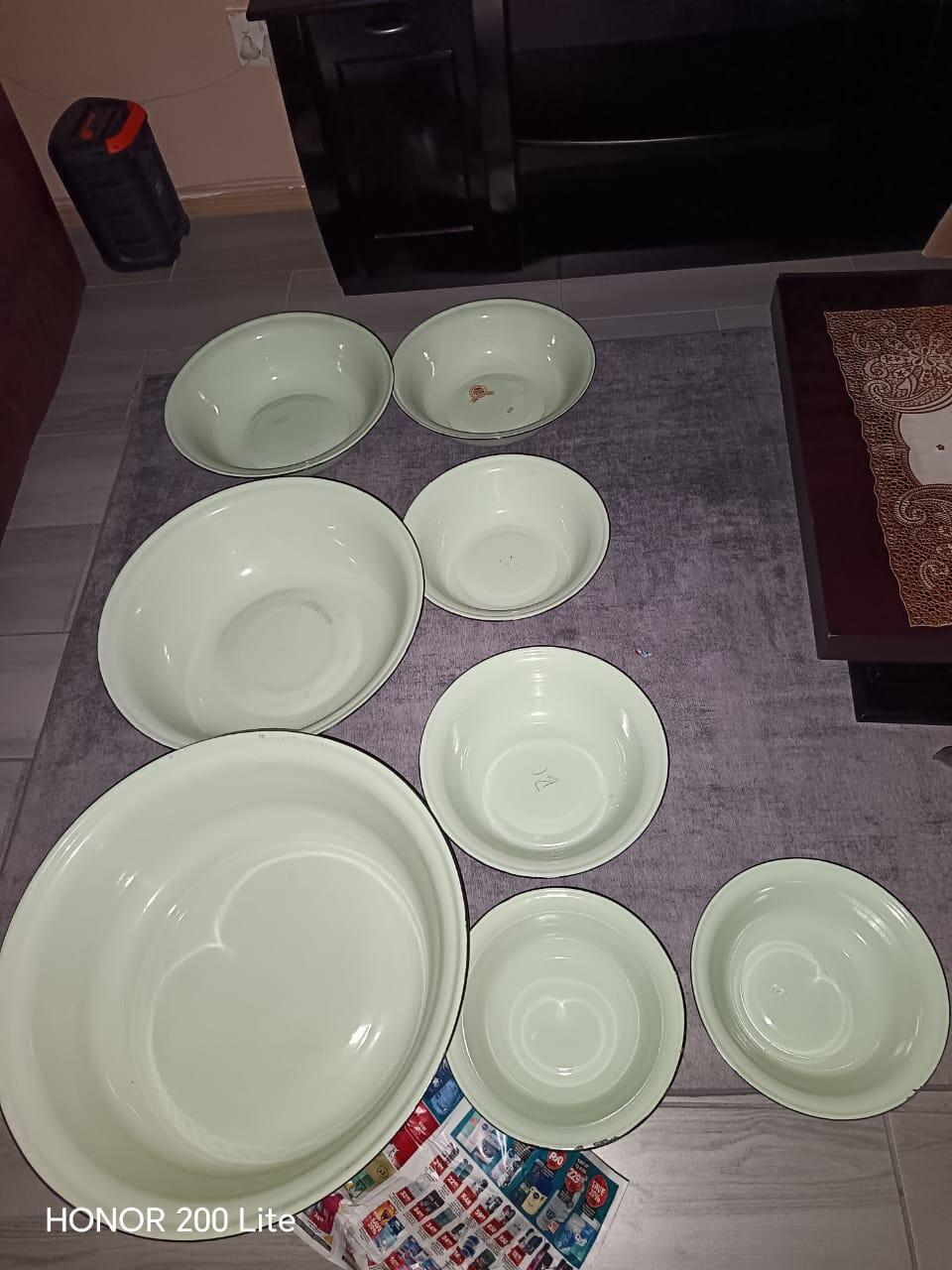
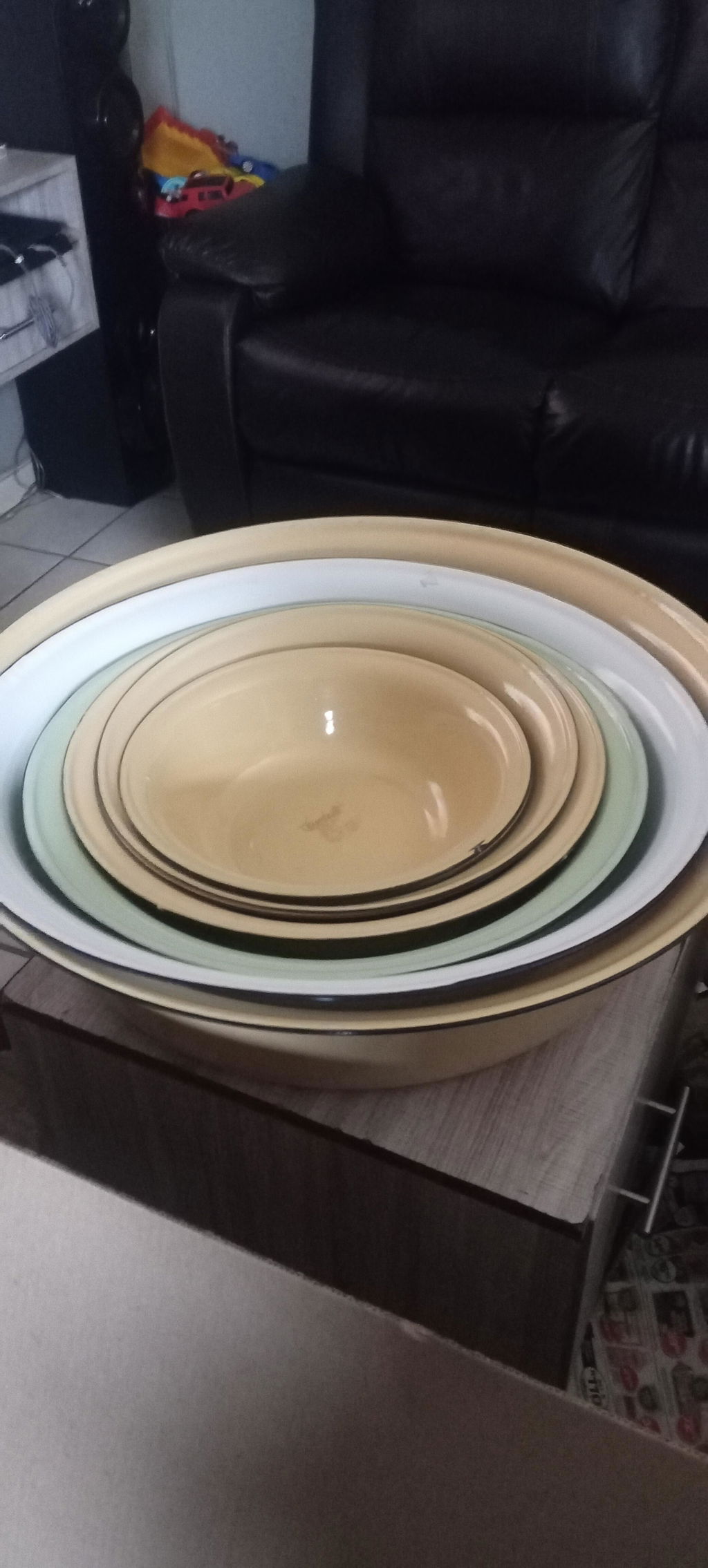
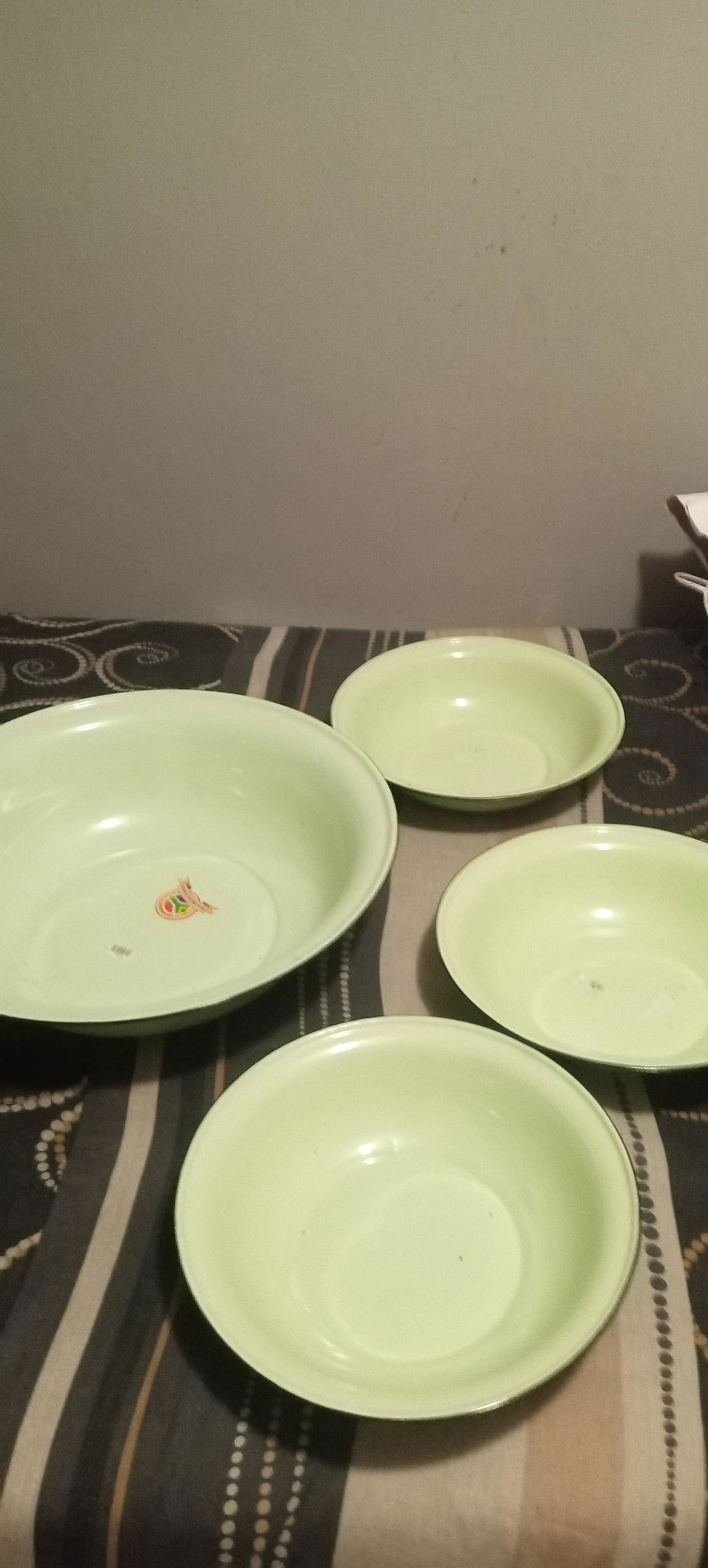
- A heavy, thick-bottomed pot. Ideally a 2mm+ thick aluminium pot like the Bon Voyage range. The pot should be large enough that the pap fills it no more than two-thirds — the maize meal needs room to expand.
- A wooden spoon or large fork
- A tight-fitting lid
Step 1: Boil the Water
Bring the water to a full, rolling boil in your pot. Add the salt. The water must be properly boiling before you add any maize meal — if the water is not hot enough, the maize meal will clump and you will spend the next 20 minutes fighting lumps.
Step 2: Add the Maize Meal
This is where most people make mistakes. Do not dump all the maize meal in at once.
Pour the maize meal into the centre of the boiling water in a slow, steady stream. Do not stir yet. Let the maize meal form a mound in the centre of the pot, with boiling water around the edges.
Put the lid on immediately. Reduce the heat to low.
Leave it for 5 minutes. Do not open the lid. Do not stir. The steam does the initial cooking.
Step 3: First Stir
After 5 minutes, remove the lid and stir vigorously with a wooden spoon. Break up any lumps. The mixture will be thick and heavy — this is normal for stywe pap.
If the mixture feels too dry, add a small amount of boiling water (not cold water — cold water creates lumps). If it feels too wet, it will thicken as it continues to cook.
Step 4: Steam
Put the lid back on. Reduce heat to the lowest setting your stove allows.
Leave the pap to steam for 20–30 minutes. Open the lid and stir once or twice during this time, but do not stir constantly — the steam needs to circulate inside the pot.
This steaming phase is where the pot matters most. A thick aluminium pot holds a steady, even low temperature that cooks the pap gently from all sides. A thin pot will overheat at the bottom, burning the pap before the top is cooked.
Step 5: The Crust
In the last 5 minutes of cooking, you have a choice.
If you want a smooth, even pap with no crust: stir thoroughly one last time, then remove from heat.
If you want the traditional crust at the bottom (and you should): do not stir in the last 5 minutes. Leave the pap undisturbed on low heat. The layer of maize meal touching the pot will slowly caramelise into a golden, slightly crispy crust.
This crust — called "intlama" in Xhosa or "papa wa kelo" in Sotho — is considered the best part of the pot by many South Africans. It has a toasted, nutty flavour that the soft pap above it does not have.
The crust only forms properly in a thick pot with even heat. In a thin pot, the bottom burns black and tastes bitter. In a Bon Voyage 2mm+ aluminium pot, the even heat creates a golden crust that lifts cleanly from the pot.
Step 6: Serve
Add butter if desired and stir through.
Serve immediately. Pap thickens and stiffens as it cools, so it is best served hot.
Stywe pap is traditionally served with:
- Tomato and onion sous (tamatie-en-uie-smoor)
- Chakalaka
- Braaied meat (boerewors, lamb chops, chicken)
- Beef or chicken stew
- Morogo (African spinach)
Common Problems and Solutions
My pap has lumps. Add the maize meal slowly to fully boiling water. Stir vigorously after the first 5-minute steaming. If lumps persist, use a whisk instead of a wooden spoon.
My pap burns at the bottom. Your heat is too high or your pot is too thin. Use the lowest heat setting on your stove. Use a pot with 2mm+ thick walls. Do not skip the steaming phase — the lid must stay on.
My pap is too dry. Add small amounts of boiling water and stir. The water must be boiling — cold water creates lumps and uneven texture.
My pap is too soft. You have used too much water relative to maize meal. Next time, reduce water by half a cup. Or cook uncovered for the last few minutes to allow excess moisture to evaporate.
Frequently Asked Questions
What is the correct water to maize meal ratio for stywe pap? The standard ratio is 2 cups water to 1 cup maize meal. This produces firm stywe pap. For softer pap, increase to 2.5 cups water per cup of maize meal. For very stiff pap, use 1.5 cups water per cup.
How long does stywe pap take to cook? Total cooking time is approximately 30–40 minutes: 5 minutes initial steaming, 20–30 minutes low-heat steaming, and 5 minutes for the crust to form. Do not rush the steaming phase — this is where the texture develops.
Can I cook pap in advance? Yes. Cook the pap, let it cool, and store it in an airtight container in the fridge for up to 3 days. Reheat in a pot with a splash of water on low heat, stirring until warmed through.
What is the best pot for cooking pap? A thick-bottomed aluminium pot (2mm or thicker) is ideal. Aluminium conducts heat evenly, preventing hot spots that cause burning. The Bon Voyage NW7 10-Piece Set provides the right sizes for family cooking, with 99.9% pure aluminium and 2.0mm+ wall thickness.